
16 kwietnia




Narodowy Dzień Pamięci Żołnierzy Niezłomnych
01.03.1912Pierwszy skok spadochronowy
01.03.1999Lot balonem dookoła świata
02.03.1969Oblot Concorde’a
03.03.1985Oblot Irydy
04.03.2024Światowy Dzień Inżyniera
05.03.1953Ucieczka F. Jareckiego
05.03.1960Oblot Lisa
05.03.1936Oblot Spitfire’a
05.03.1943Oblot Meteora
06.03.1964Oblot MiGa-25
08.03.2024Dzień Kobiet
08.03.1910Pierwsza licencja dla kobiety
09.03.1954Oblot Jaskółki L
10.03.1952Oblot Bociana
12.03.1929Oblot PWS-20
14.03.1928Prawo lotnicze w Polsce
14.03.1980Katastrofa „Kopernika”
14.03.1927Założenie Pan Am
17.03.1933Katastrofa PWS-19
17.03.1970Oblot Cobry 17
20.03.1938Oblot Wichra
20.03.1959Oblot Pliszki
21.03.1931Śmierć inż. Puławskiego
22.03.1989106 rekordów w jednym locie
25.03.1958Oblot Avro Arrow
21.03.1924LOPP w Krakowie
27.03.1968Śmierć J.Gagarina
27.03.1977Zderzenie Jumbo-Jetów
27.03.1999Zestrzelenie F-117
29.03.1947Szybownicy w Tęgoborzu
29.03.1949Oblot Kaczki
31.03.1938PZL w Bułgarii

Gotowi na przygodę? Zajrzyj do naszej strefy edukacyjnej. Nie przegap tego, co przygotowaliśmy!
Sprawdź, jakie atrakcje czekają na Ciebie i Twoje dziecko!
Zobacz więcej
Zanurz się w fascynującym świecie lotnictwa, przemierzając nasze ekspozycje.
Zainteresowanych przyszłością zapraszamy do sekcji digitalizacji, gdzie przeszłość spotyka się z nowoczesnością.
Zobacz więcej
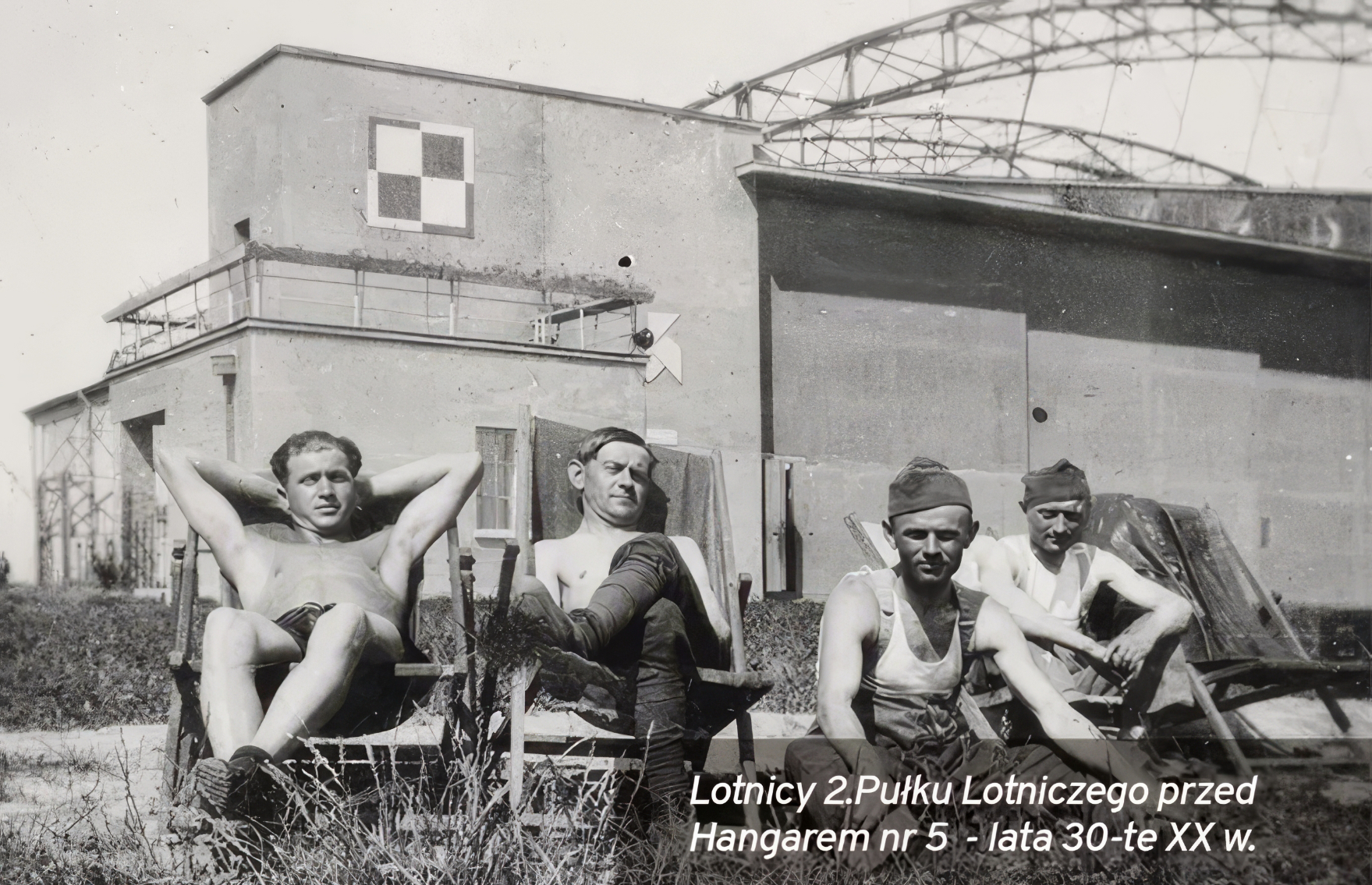
Nazwa wywodzi się z idei i koncepcji budowy lotnisk z 1923 r., mającej francuski rodowód, łączących funkcje bazy wojskowej i portu cywilnego. Centralne miejsce zajmowało koliste pole wzlotów z rozlokowanymi na planie czworo- lub sześcioboku grupami hangarów i cywilnego dworca lotniczego.
Pojawienie się jej w Polsce jest zasługą gen. Włodzimierza Zagórskiego dowódcy Departamentu IV Żeglugi Powietrznej M.S.Wojsk. W latach 1924-25 główny wkład w adaptację koncepcji do warunków polskich wniósł kpt. inż. Adam Mrówka.